

Key Takeaways
- Paying every bill on time is the single best way to build your credit, since payment history makes up 35% of your FICO score.
- A secured credit card or credit-builder loan lets you build credit from scratch, even with no credit history at all.
- Keeping your credit utilization under 30%—and under 10% for the fastest growth—signals to lenders that you manage credit well.
- You can report your rent and utility payments to the credit bureaus, which gives you a way to build credit without the need for a credit card.
- Checking your credit report at least once a year helps you spot errors and fraud before they hurt your score.
Your credit score comes into play every time you apply for credit or a loan. Lenders use it to decide whether to approve you and what interest rate to charge. A good-to-excellent credit score can save you real money over time, while a low one can limit your options.
Building your credit is one of the smartest financial moves you can make—whether you’re starting fresh or working to raise a score you already have. This guide covers the steps that matter most, including ways to build credit, common mistakes to avoid, and tips to keep your score on track once you’ve put in the work.
- 8 Ways to Build Credit
- Tips for Building Your Credit from Scratch
- Mistakes to Avoid When Building Your Credit
- How to Monitor and Maintain Your Credit History
- Frequently Asked Questions
- Building credit to secure your future
8 Ways to Build Credit
You may already have a credit history but want to build upon it and improve your credit score. Here are some ways to do so:
Get a secured credit card
A secured credit card is a type of credit card where you make a refundable deposit. Your deposit usually sets your credit limit. Because the deposit lowers the risk for the card issuer, secured cards are easier to get approved for, even if you have no credit history.
Once you have the card, use it for small purchases you can afford and pay the balance in full each month. Your payments are reported to the credit bureaus, which is how your score starts to grow.
Make on-time payments
Whether it’s a credit card bill, your monthly utility bills, or your rent or mortgage bill, it’s critical to make your payments on time. Your debt payment history is the number one factor that determines your FICO credit score (it counts toward 35% of the score). Making your payments on time every month can rapidly increase your credit score. Continuing this good habit will keep your credit score where you want it to be.
Take out a credit-builder loan
A credit-builder loan helps first-time borrowers and individuals with no credit history establish a credit history through consistent, on-time payments. With these loans, lenders lock the borrowed funds in a savings account, and you pay toward that account every month until the end of the loan term. At that point, you receive the money that’s in the savings account. A credit-builder loan is great for those with poor or no credit history since it essentially helps borrowers build both credit and savings at the same time.
Lower your credit utilization
Credit utilization is the percentage of available credit that you’re currently using on revolving accounts like credit cards. For example, if your credit limit is $2,000 and your balance is $500, your utilization rate is 25%. This factor counts toward 30% of your total score.
Most financial experts say you should keep your utilization below 30%. But if you want to see faster improvement, aim for 10% or lower. A low utilization rate tells lenders you aren’t depending too heavily on borrowed money. If your balances are high right now, paying them down—even a little at a time—can move your score in the right direction.

Increase your credit limit
Similarly, increasing your credit limit can help lower your credit utilization ratio, which will improve your credit score. However, just because you have a larger credit limit doesn’t mean you should increase your spending. The only way your credit score will improve when you increase your credit limit is by spending the same as–or less than–what you were previously spending each month.
Become an authorized user
If a family member or partner maintains good credit and spending habits, you can help your own credit by becoming an authorized user on their credit card account. Just ask them to add you to their account as an authorized user, and you should notice a quick increase in your credit score.
Diversify your accounts
Your credit mix–or the different types of credit you have–counts toward 10% of your FICO credit score. While you should never open new lines of credit or take out more credit cards just to simply have more types of credit, having a second credit card or a loan can take a solid credit score to the next level…as long as you’re making all of your payments on time each month. This demonstrates that you’re responsible enough to manage various credit types, which can help you in the long run.
Report your rent and utilities
If you’re wondering how to build credit without a credit card, reporting your rent and utility payments is worth considering. Services like Experian Boost and Rental Kharma let you add monthly payments—like rent and utilities—to your credit report. Since you’re already paying these bills, this is an easy way to get credit for spending you’re doing anyway. Not every scoring model factors these in yet, but it can still give your score a helpful push, especially if you’re building from scratch.
Tips for Building Your Credit from Scratch
If you have no credit history at all, figuring out how to make credit can feel confusing. The good news is the process is straightforward once you know where to start. Personal finance courses can also help you understand how credit works before you dive in.
Open your first credit-building account
You need at least one account that reports to the credit bureaus before a score can be generated. There are a few good options for first-time credit users:
- Secured credit card. Requires a refundable deposit that acts as your credit limit. It’s one of the most common ways to build credit from scratch.
- Student credit card. Designed for college students with little or no credit history. These usually come with lower credit limits and fewer fees.
- Credit-builder loan. The lender keeps the loan amount in a savings account on your behalf while you make consistent monthly payments. Once you pay it off, you get the money back—plus a stronger credit history.
- Authorized user account. A family member or partner with good credit can add you to their card, which adds their payment history to your report.
Make small monthly purchases
Once your account is open, use it for small, everyday purchases you can easily afford, like gas, coffee, or a streaming subscription. The goal is to create regular activity on the account without racking up a balance you can’t pay off. Keeping your charges small also helps you stay well below the 30% utilization mark.
Pay your bill in full and on time
This is the habit that matters most when you’re just getting started. Paying your balance in full each month means you won’t owe any interest. And since payment history makes up the largest piece of your credit score, every on-time payment counts. Setting up autopay or phone reminders can help make sure you never miss a due date.
Slowly diversify your credit mix
After you’ve managed one account responsibly for several months, you could consider adding a different type of credit, like a small personal loan. Having more than one type of account shows lenders you can handle different kinds of credit and debt.
Mistakes to Avoid When Building Your Credit
Good habits build your credit, but a few common missteps can set you back. Here are some mistakes to watch out for:
- Applying for too many accounts at once. Each credit or loan application typically results in a hard inquiry on your credit report. Hard inquiries can lower your score temporarily. Only apply for credit you actually need, and space out your applications.
- Carrying a high balance. Using most of your available credit drives up your utilization rate and can hurt your score, even if you’re making payments on time.
- Missing a payment. Even just one missed payment can stay on your credit report for several years. Set up autopay or reminders so nothing falls through the cracks.
- Ignoring your credit report. Errors are more common than most people realize. If you don’t check your report, you could be losing points over a mistake that isn’t yours.
- Closing old accounts. Shutting down a card you rarely use shortens your credit history and raises your utilization. Keep older accounts open, even if you only use them now and then.
How to Monitor and Maintain Your Credit History
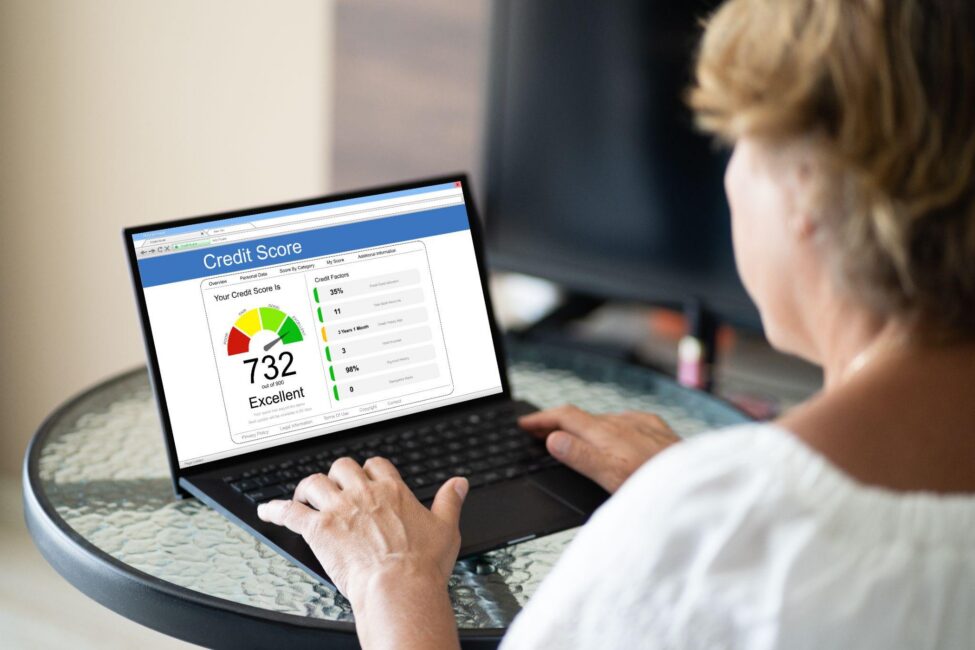
Once you’ve done the work of establishing and building your credit, you want to make sure it stays at a high level. That’s why it’s important to always keep an eye on and be aware of your credit. Below are some ways to do so:
Check your credit report
Regularly checking your credit score through these bureaus can alert you to fraud or any strange patterns in your credit. Additionally, credit-monitoring services can alert you about suspicious activity on your credit report while also keeping an eye on other personal information. There are plenty of ways to stay on top of your credit score, such as through a credit bureau like Experian, TransUnion, or Equifax. Also, be sure to take advantage of apps like Credit Karma, which offers free credit scores from Equifax and TransUnion.
Don’t forget, you’re entitled to receive a free credit report from annualcreditreport.com once every year. Make sure to take advantage of this to keep track of your credit health!
Dispute any credit report errors
If you notice an error on your credit report, reach out to the credit reporting company to dispute the information. Make sure to explain in writing what you disagree with, why you disagree, and include documents that back up your argument.
Don’t close old accounts
Your credit history is also an important component of your credit score. So, if you have a credit card that you don’t often use, it’s a good idea to keep that credit card open–especially if you’ve had it for a while. This will demonstrate a longer track record of credit management, which can help your credit score. It can also help keep your credit mix more diversified.
Frequently Asked Questions
What are the first steps to establish a credit history if I have none?
To establish a credit history, a secured credit card or a credit-builder loan is the best place to start. Both are designed for people with no credit history. Each one reports your payments to the bureaus, which is how your score begins to take shape. You can also ask a trusted family member to add you as an authorized user on their credit card to help get things moving.
What are the specific factors that have the biggest impact on my credit score?
Your FICO score is based on several different factors:
- Payment history (35%). This is the biggest piece of your score. Paying every bill on time shows lenders you’re reliable.
- Amounts owed (30%). Also called credit utilization, this measures how much of your available credit you’re using. Lower is better.
- Length of credit history (15%). The longer your accounts have been open, the more it helps your score.
- Credit mix (10%). Having different types of credit—like a credit card and a personal installment loan—shows you can manage more than one account.
- New credit inquiries (10%). Applying for several accounts in a relatively short period can lower your score temporarily.
How long does it typically take to build my credit?
Most people can build a credit score for themselves within just a few months of opening their first credit account, as long as the lender reports to the bureaus. Reaching a good score (670 or above) usually takes about a year of consistent on-time payments and responsible credit use. Solid budgeting habits can help you stay on track during that time.
What is the easiest way to build credit fast?
The easiest ways to build credit fast include opening a credit card (a secured credit card if you don’t have a credit history), becoming an authorized user on a family member’s credit card, paying your bills on time, increasing your credit limits, improving your credit utilization ratio, and taking out a credit-builder loan.
How can I build credit if I’m starting from zero?
If you don’t have a credit history, the best ways to build credit include:
- Applying for a secured credit card that requires a refundable security deposit before it’s issued.
- Opening a starter or student credit card that has lower credit limits and allows those with no credit history to purchase items and make payments on time.
- Taking out a credit-builder loan, which helps first-time borrowers and individuals with no credit history establish a credit history through consistent, on-time payments.
- Becoming an authorized user on a family member’s or partner’s credit card (if they have a good credit history).
How can I build credit without a credit card?
There are a variety of ways to build credit, even if you don’t have a credit card, including:
- Getting a credit-builder loan
- Becoming an authorized user
- Applying for a personal loan
- Taking out a car loan
- Repaying any existing loans you already have
Building credit to secure your future
Ultimately, your credit score is in your hands. And that’s a good thing! By establishing and maintaining good financial habits, you can build credit and keep improving it. Doing so can help you receive better interest rates and loan terms as well as the many credit card perks and benefits that come with a great credit score.
Whether you’re starting from scratch with no credit or you’re looking to improve your current credit, taking the steps we outlined can go a long way toward securing your financial future and creating a lifetime of good credit.

