
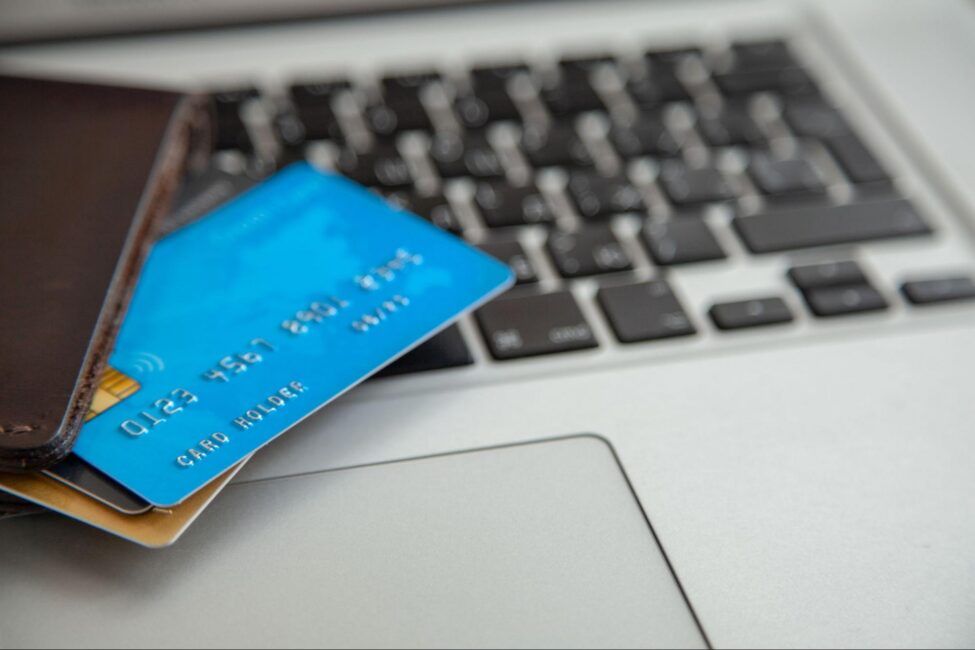
Debit cards are one of the most common payment methods in America, but many people don’t fully understand how they work or when to use them. A bank debit card connects to your checking account and lets you make purchases with money you already have. It’s different from a credit card because you’re spending your own funds rather than borrowing.
Whether you’re new to banking or just want to understand your payment options better, knowing the ins and outs of debit cards helps you make smarter money decisions. So, what is a debit card used for, how does it differ from a credit card, and what should you consider before getting one? Keep reading to learn more about debit cards and how they work.
- Simple Debit Card Definition
- How Does a Debit Card Work?
- What Are the Benefits of Using a Debit Card?
- What Is the Difference Between a Debit Card and Credit Card?
- What Is the Difference Between Debit and ATM Cards?
- What Is the Difference Between Debit Cards and Prepaid Debit Cards?
- What to Consider Before Getting a Debit Card
- The Bottom Line
Simple Debit Card Definition
The definition of a debit card is straightforward: It’s a plastic or digital payment card that electronically transfers money from your bank account to pay for goods and services. When you swipe, insert, or tap your debit card at a store or enter the card details online, the purchase amount gets deducted from your checking account balance.
Most debit cards are issued by banks or credit unions when you open a checking account, and they typically feature a Visa or Mastercard logo that allows you to use them anywhere those payment networks are accepted.
How Does a Debit Card Work?
So, how does a debit card work? When you make a purchase, the transaction goes through a payment network like Visa or Mastercard. The merchant’s payment system communicates with your bank to verify you have enough money in your account to cover the purchase. If the funds are available, the bank approves the transaction, and the money transfers from your account to the merchant.
You’ll typically need to authorize debit card transactions in one of two ways. For in-person purchases, you might enter your Personal Identification Number (PIN) on a keypad or sign a receipt. For online purchases, you enter your card number, expiration date, and security code. Some newer debit cards also support contactless payments, where you simply tap your card on a payment terminal.
The speed of the transaction depends on how it’s processed. PIN-based transactions usually withdraw money from your account immediately, while signature-based transactions might take a day or two to fully process. Either way, your bank typically shows pending transactions in your account so you can track your spending even before the money officially leaves your account.
What Are the Benefits of Using a Debit Card?
Debit cards offer many advantages that make them popular for daily spending. These include:
Spending control
Since you can only spend what’s in your account, debit cards help you avoid overspending and debt. This built-in limit makes it easier to stick to a budget compared to credit cards.
No interest charges
You’re spending your own money rather than borrowing, so you never pay interest on debit card purchases.
Wide acceptance
Debit cards work almost anywhere credit cards are accepted, including online retailers, gas stations, restaurants, and stores. The major payment networks ensure you can use your card for most purchases without carrying cash.
ATM access
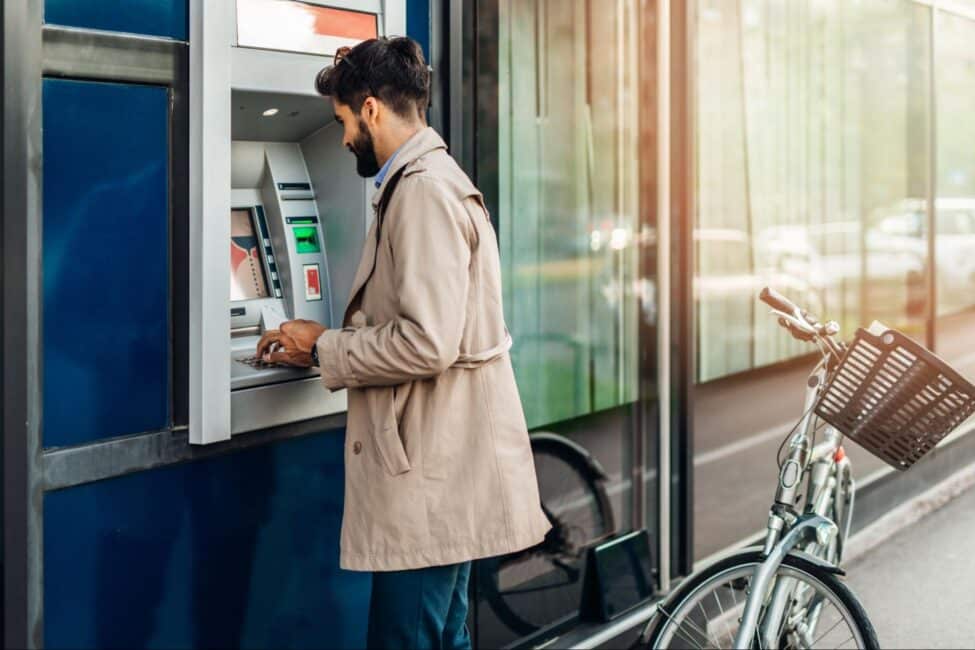
Most debit cards double as ATM cards, letting you withdraw cash from your account at thousands of ATMs. While your bank might charge fees for using out-of-network ATMs, having access to your cash when you need it adds convenience.
Fraud protection
Federal law limits your liability for unauthorized debit card transactions, but the protection varies based on how quickly you report them. Many banks also offer zero-liability policies that provide additional security for cardholders.
What Is the Difference Between a Debit Card and Credit Card?
The main difference between debit and credit cards comes down to whose money you’re spending. Debit cards let you access your own money for transactions, while credit cards let you borrow from the card issuer that you must pay back later.
Credit cards help build credit history when you use them responsibly and pay bills on time. Your payments are reported to credit bureaus and affect your credit score. Debit card use doesn’t appear on credit reports at all, so it won’t help or hurt your credit.
The rewards and perks also differ significantly. Many credit cards offer cash back, points, or other benefits on purchases, while debit cards rarely provide rewards programs. Credit cards often include additional protections like extended warranties, purchase protection, and travel insurance that debit cards don’t offer.
However, credit cards come with risks that debit cards don’t. If you don’t pay your full credit card balance each month, you’ll owe interest charges that can add up quickly. Credit utilization also impacts your credit score. Understanding installment vs. revolving credit can help you decide which payment methods work best for your financial situation.
So, how many credit cards should you have? Consider your spending habits and if you can easily pay balances in full. Some people use both debit and credit cards strategically, using debit for everyday purchases and credit for specific benefits or emergencies.
What Is the Difference Between Debit and ATM Cards?
While the terms are sometimes used interchangeably, debit cards and ATM cards aren’t quite the same thing. An ATM card only lets you access your bank account at automated teller machines to withdraw cash, check your balance, or transfer money between accounts. You can’t use a basic ATM card to make purchases at stores or online.
A debit card includes all the functions of an ATM card but adds the ability to make purchases anywhere the payment network is accepted. Modern bank accounts typically issue debit cards rather than ATM-only cards since customers want the flexibility to access cash and make electronic payments. The debit card essentially combines ATM functionality with point-of-sale payment capabilities in one card.
What Is the Difference Between Debit Cards and Prepaid Debit Cards?
Standard debit cards and prepaid debit cards look similar and work the same way at the point of sale, but they connect to different types of accounts. A regular debit card links to your checking account at a bank or credit union. A prepaid debit card isn’t connected to a bank account at all. Instead, you put money onto the card in advance, and then you can spend that balance until it runs out.
Prepaid cards don’t require a bank account or a credit check to obtain, which makes them accessible to people who can’t open traditional bank accounts. However, they often come with more fees than regular debit cards. You might pay fees to load money onto the card, make purchases, withdraw cash, or even just to maintain the card each month.
Another key difference is overdraft protection. With a standard debit card, some banks offer overdraft protection that covers purchases even if your account doesn’t have enough money, though they charge fees for this service. Prepaid cards simply decline transactions once you’ve spent the loaded balance, since there’s no bank account to draw from.

What to Consider Before Getting a Debit Card
Before you get a debit card, think through several factors that affect how well it will work for your needs. Consider:
- Account fees and requirements. Check whether the checking account linked to the debit card charges maintenance fees, minimum balance requirements, or overdraft fees.
- ATM network and fees. Look at how many ATMs you can use without paying fees and where they’re located. If your bank has limited ATMs in your area, you might end up paying several dollars each time you need cash. Some online banks reimburse ATM fees charged by other banks, which can offset limited branch access.
- Overdraft policies. Understand what happens if you try to spend more than your account balance. Some banks automatically decline transactions, while others process them but charge overdraft fees. Knowing your bank’s policies helps you avoid unexpected charges.
- Fraud protection. Review your bank’s policies for unauthorized transactions and how quickly you need to report fraud to limit your liability. While federal law provides some protection, individual banks may offer stronger guarantees. Also, check whether the bank provides alerts for suspicious activity.
- Online and mobile banking features. Consider whether you can easily monitor your account balance, set up alerts, and track spending through a mobile app or website. Good digital banking tools help you stay on top of your finances and catch fraudulent transactions quickly.
The Bottom Line
Understanding how debit cards work gives you the foundation to use this payment tool effectively. Debit cards provide a fast and easy way to access your money for purchases and ATM withdrawals without the debt risk that comes with credit cards. They work well for people who want to control spending by limiting themselves to funds they actually have in their bank account.
The right payment method depends on your financial goals and circumstances. While debit cards help with budgeting, they don’t build credit history the way credit cards or loans do. If you need to finance a larger purchase or cover an unexpected expense, Sun Loan offers personal loans that may provide a better solution than relying solely on what’s in your checking account. Personal loans give you structured repayment terms and can help you build credit when you make payments, offering benefits that debit cards simply can’t offer.

